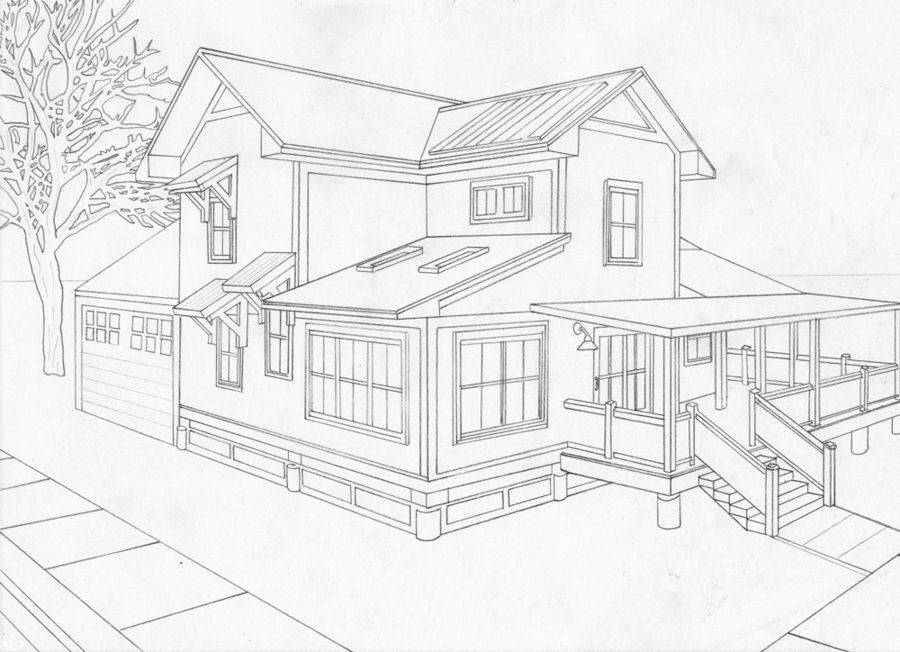
How Long Does It Take to Build a Custom Home in Missouri? A Realistic Timeline Guide
If you're considering building a custom home, one of the first questions you'll probably ask is, "How long is this actually going to take?"
After more than 40 years in construction and 25 years in the remodeling industry before transitioning into custom home construction, we've learned that timeline expectations are one of the biggest sources of frustration for homeowners. Not because construction necessarily takes too long, but because many people aren't given a realistic picture of everything that happens before and during the building process.
Most homeowners focus on the day construction begins. In reality, planning, design, permitting, site preparation, financing, and material selections all happen before the first wall goes up.
One advantage of having experience in both remodeling and new construction is understanding how decisions made early in the process affect everything that follows. The projects that stay on schedule are rarely the ones that move the fastest. They're usually the ones that are planned thoroughly from the beginning.
For most custom home projects in Southwest Missouri, the overall process typically takes between 10 and 16 months from the initial planning conversation to move-in day. Some homes move faster, while highly customized homes, acreage builds, or projects with extensive site work can take longer.
In this guide, we'll walk through each phase of the custom home process, explain what affects timelines, and share some of the lessons we've learned from decades in construction.
The Average Custom Home Building Timeline in Missouri
For many Missouri homeowners, the entire process takes approximately 10 to 16 months from the first planning meeting through final move-in.
Homes with extensive customization, challenging site conditions, acreage development, or unique design features can extend beyond that range.
| Phase | Typical Timeline |
|---|---|
| Planning & Design | 1–3 Months |
| Lot Evaluation & Site Preparation | 2–6 Weeks |
| Permits & Approvals | 1–2 Months |
| Foundation & Structural Shell | 2–3 Months |
| Mechanical Systems & Drywall | 2–3 Months |
| Interior & Exterior Finishes | 2–4 Months |
| Final Inspections & Move-In | 2–6 Weeks |
Every project is different.
A home built within an established subdivision near Nixa may follow a very different schedule than a custom home being built on acreage outside Ozark or Springfield.
Factors such as weather, permits, utility availability, financing, homeowner decisions, and material lead times all influence the final timeline.
The fastest home isn't always the best home. Quality planning, communication, and craftsmanship often save homeowners time, money, and frustration long after construction is complete.
Phase 1: Planning and Designing Your Custom Home
Before construction begins, the planning stage establishes the foundation for the entire project.
Defining Your Vision
During this stage, homeowners begin making decisions about:
- Floor plans
- Square footage
- Lifestyle needs
- Future family considerations
- Lot requirements
- Budget expectations
One thing we've learned over the years is that homeowners often spend significant time thinking about finishes and aesthetics but less time thinking about how they'll actually live in the home five, ten, or twenty years from now.
The most successful custom homes balance design, functionality, efficiency, and long-term value.
Choosing the Right Builder Early
Bringing a builder into the process early can prevent expensive surprises later.
An experienced builder can help evaluate:
- Site challenges
- Budget expectations
- Construction feasibility
- Material selections
- Timeline considerations
If you're considering a new build, our Luxury Custom Home Builder page provides a detailed overview of how the process works from planning through completion.
How Long Does Planning Usually Take?
Most planning phases take between four and twelve weeks.
Custom floor plans, extensive revisions, or specialty design features can extend the process.
Construction financing may also occur during this stage. While financing timelines vary, construction loans can sometimes add several weeks to the overall pre-construction schedule.
Phase 2: Permits, Engineering, and Approvals
Many homeowners are surprised by how much happens before construction equipment arrives on site.
What Happens Before Construction Starts?
Several important approvals typically occur during this phase:
- Building permits
- Engineering reviews
- Site plans
- Utility coordination
- Drainage planning
- Septic approvals when applicable
These reviews help ensure the project complies with applicable codes and safety requirements.
Common Permit Delays in Southwest Missouri
Permit timelines vary depending on location and project complexity.
Some common causes of delays include:
- Survey revisions
- Utility planning
- Engineering updates
- Septic approvals
- Rural property requirements
Building on acreage often involves additional planning compared to building in an established neighborhood.
Why Permit Timelines Vary
Builders can manage documentation and submissions efficiently, but approval schedules are often determined by local review agencies.
Homeowners can learn more about permitting requirements through local building departments and resources such as the Missouri Division of Professional Registration.
Phase 3: Preparing the Property for Construction
Once approvals are complete, attention shifts to preparing the property.
Site Preparation and Excavation
Depending on the lot, this phase may involve:
- Land clearing
- Grading
- Excavation
- Utility preparation
- Driveway access
- Drainage improvements
The amount of work required depends heavily on the property's existing conditions.
Building on Acreage vs. Building in a Subdivision
Many homeowners throughout Southwest Missouri prefer acreage because it offers privacy and flexibility.
However, those advantages often come with additional preparation requirements.
| Acreage Lots | Subdivision Lots |
|---|---|
| More site preparation | Usually construction-ready |
| Septic often required | Utilities often available |
| Utility extensions possible | Existing infrastructure |
| Longer timelines possible | Typically faster starts |
Understanding these differences early helps establish realistic expectations.
Phase 4: The Major Home Construction Stages
Once construction begins, homeowners finally start seeing their vision become reality.
Foundation Work
The project starts taking physical shape through:
- Excavation
- Footings
- Foundation walls
- Concrete work
- Waterproofing measures
Framing the Home
Framing is often one of the most exciting milestones because homeowners can walk through the structure for the first time.
This portion of the build includes:
- Exterior walls
- Roof systems
- Structural framing
- Sheathing
Mechanical Systems Installation
After the home is dried in, specialized trades begin installing:
- Plumbing
- Electrical systems
- HVAC systems
- Communication wiring
Interior and Exterior Finishes
This is frequently the longest phase because it requires significant coordination between multiple trades.
Examples include:
- Cabinets
- Flooring
- Countertops
- Paint
- Trim
- Siding
- Fixtures
Final Construction and Quality Checks
As the project nears completion, attention shifts toward details.
This stage includes:
- Punch list completion
- Final inspections
- System testing
- Homeowner walkthroughs
Quality-focused builders spend considerable time here because details matter.
What Most Homeowners Underestimate About the Building Timeline
One benefit of working in construction for decades is seeing where expectations and reality often differ.
Design Decisions Take Longer Than Expected
Cabinets, flooring, countertops, lighting, plumbing fixtures, and paint selections all require decisions.
The more customized the home becomes, the more decisions homeowners typically need to make.
Permit Reviews Are Outside Your Builder's Control
Builders can submit documentation quickly, but review schedules are determined by local agencies.
Rural Properties Often Add Additional Steps
Properties outside established neighborhoods frequently require:
- Well installation
- Septic approvals
- Utility extensions
- Tree clearing
- Additional grading
Change Orders Can Affect Multiple Trades
One of the biggest mistakes homeowners make is assuming a small design change only affects one part of the project.
In reality, a change may impact engineering, material orders, subcontractor schedules, inspections, and completion dates.
In our experience, homeowners rarely become frustrated because construction takes longer than expected. They become frustrated because nobody clearly explained the timeline at the beginning.
If you're evaluating land or trying to determine whether a property is truly ready to build on, speaking with a builder early can help identify potential timeline obstacles before they become expensive surprises.
The Most Common Causes of Delays We See
When homeowners ask why one custom home takes ten months while another takes sixteen, the answer usually comes down to a handful of common factors.
1. Mid-Project Design Changes
The most common delay we encounter is homeowners making significant changes after construction is already underway.
2. Permit and Approval Issues
Some approvals move quickly. Others require additional review, revisions, or agency coordination.
3. Custom Products With Long Lead Times
Specialty windows, custom cabinetry, imported tile, and unique fixtures can affect schedules if not ordered early.
4. Utility and Site Challenges
This is particularly common on acreage properties where utilities, septic systems, or drainage issues require additional work.
5. Weather Conditions
Weather isn't always the biggest delay factor, but prolonged rain, storms, or freezing conditions can certainly affect progress.
After decades of construction and remodeling projects, we've found that weather is rarely the biggest delay. Most timeline issues can be traced back to planning decisions, material selections, or major changes made after construction begins.
One thing quality builders understand is that delays are easier to prevent than they are to fix. Thorough planning usually solves far more problems than rushing construction ever will.
Missouri-Specific Factors That Can Affect Construction Schedules
Every region presents unique building challenges. Missouri is no exception.
Weather Conditions
Missouri weather can affect:
- Concrete placement
- Site access
- Roofing schedules
- Exterior finishes
Heavy spring rain and occasional winter freezes can impact progress.
Utility Availability
Properties outside city limits often require additional utility planning.
This may include:
- Rural water access
- Well installation
- Septic systems
- Utility trenching
Acreage Development
Many Southwest Missouri homeowners choose acreage because it offers privacy and flexibility.
However, acreage often requires:
- Tree clearing
- Driveway construction
- Utility installation
- Additional site preparation
These factors should be considered when planning a realistic timeline.
How Homeowners Can Help Keep a Project on Schedule
Builders play a major role in timeline management, but homeowners contribute as well.
Make Design Decisions Early
Finalizing selections before construction begins helps reduce avoidable delays.
Stay Engaged Throughout the Process
Prompt communication allows decisions to be made quickly when questions arise.
Avoid Frequent Mid-Project Changes
Changes are sometimes necessary, but repeated revisions often impact schedules significantly.
Work With an Experienced Builder
Experience matters because experienced builders have already encountered many of the situations that can affect a timeline.
According to the National Association of Home Builders (NAHB), permitting, labor availability, material supply, and scheduling coordination remain some of the most common factors affecting residential construction projects nationwide.
Is It Better to Build During Certain Times of the Year in Missouri?
Many homeowners ask whether there is a perfect time to start building.
The answer depends largely on your goals.
Spring Starts
Spring remains one of the most popular planning seasons because many homeowners want construction underway before summer.
Summer Construction Activity
Summer often provides favorable building conditions but can also be one of the busiest periods for contractors and suppliers.
Fall Planning Advantages
Fall is often an excellent time to begin planning, designing, and securing permits.
Winter Preparation Opportunities
Many successful projects begin with winter planning so construction can start as conditions improve.
The best time to start planning is often sooner than most homeowners think.
What Should You Expect During the Custom Home Process?
The custom home process involves much more than construction alone.
Homeowners should expect:
Regular Communication
Consistent updates help everyone stay informed.
Milestone Reviews
Major phases create opportunities to review progress and discuss upcoming decisions.
Budget Transparency
Clear communication helps reduce surprises.
Quality Inspections
Inspections help verify work meets applicable standards and project expectations.
Final Walkthrough
Before move-in, homeowners review the completed home and address any remaining details.
If you'd like to see the type of craftsmanship and finished work we bring to local custom homes, visit our Gallery.
You can also learn more about our background, construction experience, and quality-first approach by visiting our About Daher Construction page.
If you're researching budgets alongside timelines, we also recommend reading our guide on what it costs to build a custom home in Southwest Missouri.
Building a Custom Home Is a Marathon, Not a Sprint
After decades in construction, one lesson stands out above all others: homeowners rarely regret spending additional time on quality, planning, and craftsmanship.
What they do regret is rushing important decisions.
Building a custom home takes time because quality construction takes time.
For most Missouri homeowners, the process typically takes between 10 and 16 months from planning through move-in. Understanding that timeline upfront helps reduce stress, improve decision-making, and create a smoother building experience.
If you're considering building in Springfield, Ozark, Nixa, Republic, or surrounding Southwest Missouri communities, we'd be happy to discuss your project, evaluate your property, and help you understand what timeline makes sense for your specific goals.
Whether you're comparing builders, viewing finished project examples, evaluating land, or simply researching the custom home process, early planning can prevent many of the delays homeowners encounter later.
Ready to start the conversation? Contact Daher Construction to schedule a consultation and receive realistic guidance tailored to your property, budget, and vision.
Frequently Asked Questions
How long does it take to build a custom home in Missouri?
Most custom homes take approximately 10 to 16 months from initial planning through final completion, depending on permitting, weather, customization, site conditions, and material availability.
What is the longest phase of custom home construction?
Interior and exterior finishing work is often the longest phase because it involves multiple trades, inspections, material deliveries, and detailed craftsmanship.
Can weather delay home construction in Missouri?
Yes. Heavy rain, storms, humidity, and winter weather can all affect construction schedules throughout Missouri.
Is building on acreage slower than building in a subdivision?
Often, yes. Acreage properties frequently require additional utility planning, septic approvals, grading, and site preparation.
When should I contact a custom home builder?
Ideally, before purchasing plans or finalizing land decisions. Early builder involvement can help identify potential challenges, establish realistic budgets, and create a more accurate timeline.